Complexity theory offers new ways of understanding how social-ecological systems function under pressure, for example how climate change related stressors may exacerbate competition over scarce resources or limit livelihood options. Complex adaptive systems provide a theoretical framework for understanding how the resilience and adaptive capacity of social systems can be influenced to help them prevent, contain and recover from violent conflict. Insights derived from how self-organisation maintains and transforms complex systems suggests that for a peace process to become self-sustainable, resilient social institutions need to emerge from within the culture, history and socio-ecological context of the relevant society. Complexity also generates ethical insights: peacebuilders may help a society prevent or contain violence, but if they interfere too much, they will cause harm by disrupting the feedback loops critical for self-organisation to emerge and to be sustained. To cope with this dilemma, this project develops a new approach where peacebuilders, together with the people affected by conflict, actively engage in an iterative process of inductive learning and adaptation. This approach, called Adaptive Peace, is a normative and functional approach to conflict resolution that is aimed at navigating the complexity inherent in trying to nudge social-ecological change processes towards sustaining peace, without causing harm.

Adaptive Peace: Insights from Complexity for Strengthening the Resilience and Sustainability of Social-Ecological Systems
2022
Related to this project
public lecture / seminar
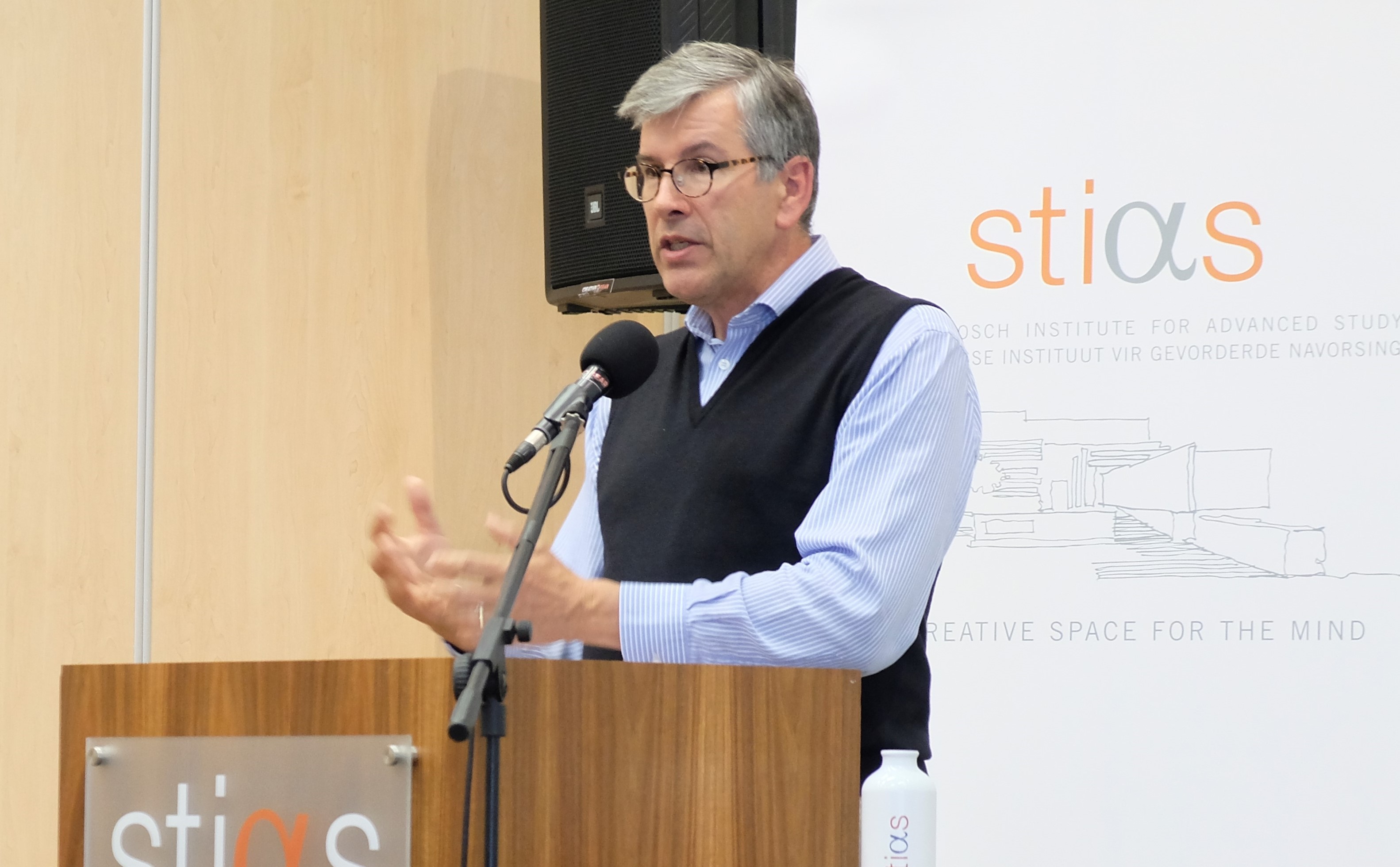
Peacebuilding is not rocket science – it’s much more complex - STIAS Public lecture by Cedric de Coning
Adaptive peace: using insights from complexity theory to strengthen the resilience and self-sustainability of social-ecological systems under stress Complexity theory offers new ways of understanding how social-ecological systems function under pressure, for example how climate change related stressors may exacerbate competition over scarce resources.

event
Adaptive Peace: Insights from Complexity for Strengthening the Resilience and Sustainability of Social-Ecological Systems under Stress - STIAS Public Lecture by Cedric de Coning
Register here by 16 August 2022 Cedric de Coning, research professor at the Norwegian Institute of International Affairs (NUPI), senior advisor for the African Centre for the Constructive Resolution of Disputes (ACCORD) and STIAS Fellow will present a public lecture with the title: Adaptive Peace: Insights from Complexity for Strengthening the Resilience and Sustainability of Social-Ecological Systems under Stress Abstract Complexity theory offers new ways of understanding how social-ecological systems function under pressure, for example how climate change related stressors may exacerbate competition over scarce resources.