
The proposed project seeks to explore how retraction and recantation take shape in experimental writing of the 20th and 21st Century. Its guiding motif is the palinode: a literary-philosophical form used to reject one’s own previous writing. Out of this conjunction of the poetic and the philosophical, I hope to build a conceptual framework for two types of literary retraction. The first type is motivated by fear and thus serves to deflect retribution. The second, by contrast, aspires to self-effacement: it openly acknowledges errors and second thoughts, regardless of personal interests or outside influence. Despite apparently diverging motives, however, the two types are dialectically entangled and mutually reinforcing: humiliation (or its avoidance) is never without the effects of humility, nor is humility ever free from self-serving impulses. The project will culminate in a monograph which centres on this dynamism. Its aim is to probe various literary instances of the palinodal – whether withdrawals, recantations, reformulations, self-censorship or cancel cultures. Through close readings of various texts – among them Beckett’s torture plays, Marlene van Niekerk’s second-person narratives, Joyce’s litotic experiments and Antjie Krog’s apophatic autofiction – the project teases out the artistic and political ambivalence that underpins the literature of undoing.
2025
Related to this project
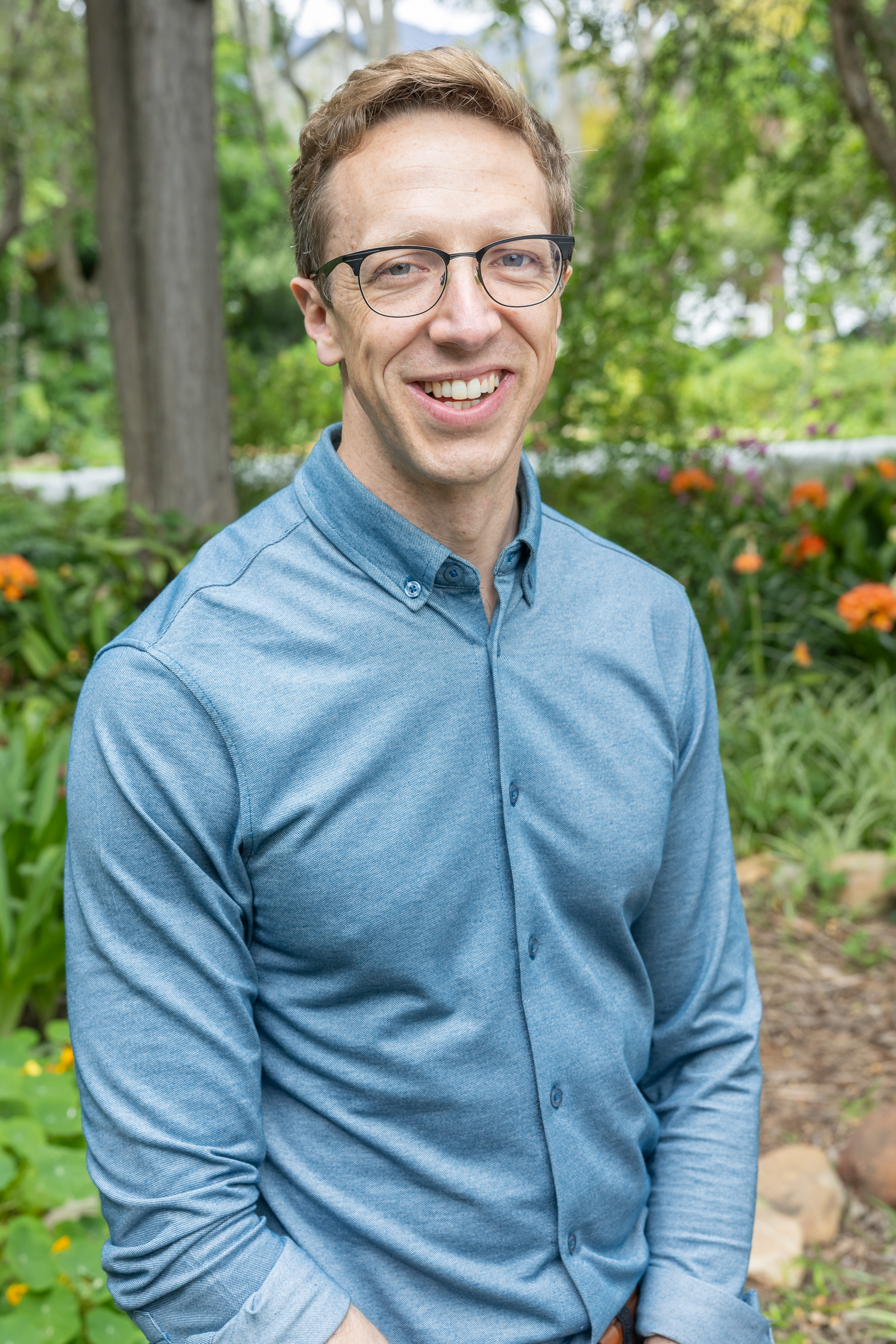
public lecture / seminar
The literary tradition of scientific recantation - Fellows' seminar by Rick de Villiers
In this seminar, I consider the broad features of a literary tradition that obsesses over the inner lives of scientists after 1945.
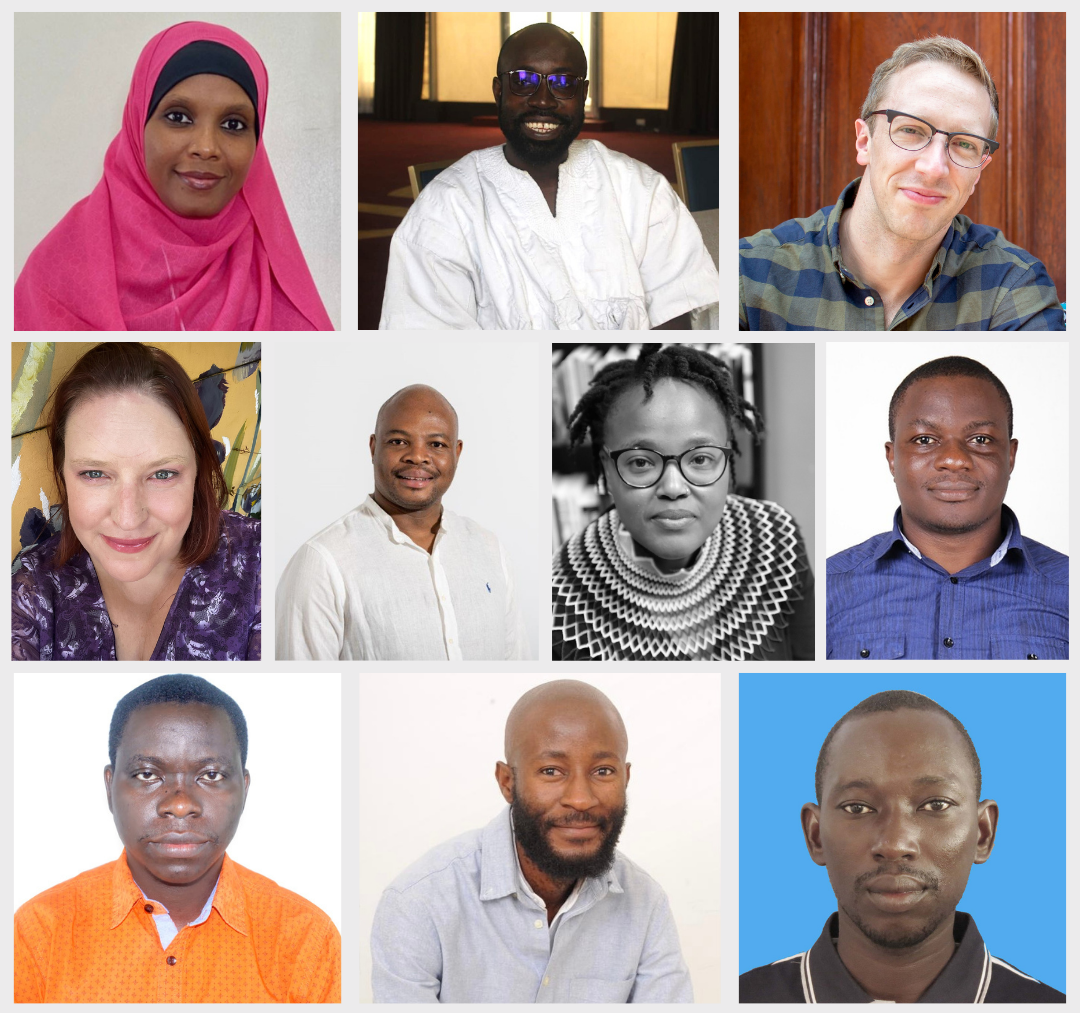
news-article
Eighth cohort of Iso Lomso Fellows announced
Stellenbosch Institute for Advanced Study (STIAS) is pleased to announce its eighth cohort of Iso Lomso Fellows for applications submitted during its October 2023 Call.