
This project analyzes the fates of rulers and regimes which came to power in Africa in the 1980s-90s. They all had ambitions of reforming politics and changing society. The extent to which exercise of power and authority became institutionalized was shaped by the nature of coalition politics in the initial years. Governing coalitions that were broadly inclusive of a wider section of elite political players resulted in progressive institutional change at the level of exercising decision-making power. But such inclusive politics tended to undermine progress in strengthening the capacity and autonomy of the state. On the other hand, ruling coalitions that excluded some major actors led to centralized decision-making but also resulted in stronger state bureaucratic capacity. This project is a comparative analysis of the two contrasting trajectories represented by the cases-studies of Ethiopia, Ghana, Rwanda, and Uganda. The first trajectory is conceptualized as representing the path of democratic institutional transformation while the second is one that is authoritarian in orientation and texture.

Paths from Personalist Rule: Understanding Institutional Transformation in Contemporary Africa
2022
Related to this project

publication
Autocratization in Contemporary Uganda: Clientelism, Coercion and Social Control
Khisa, Moses. (Ed.). 2024. Autocratization in Contemporary Uganda: Clientelism, Coercion and Social Control. Boomsbury Publishing. https://books.google.co....
publication
Africa’s New Global Politics: Regionalism in International Relations
Edozie, Rita Kiki and Moses Khisa. 2022. Africa’s New Global Politics: Regionalism in International Relations. Lynne Rienner Publishers. https://www.rienne...
publication
The Deepening Politics of Fragmentation in Uganda: Understanding Violence in the Rwenzori Region
Khisa, Moses and Sabastian Rwengabo. 2022. The Deepening Politics of Fragmentation in Uganda: Understanding Violence in the Rwenzori Region. African Studie...
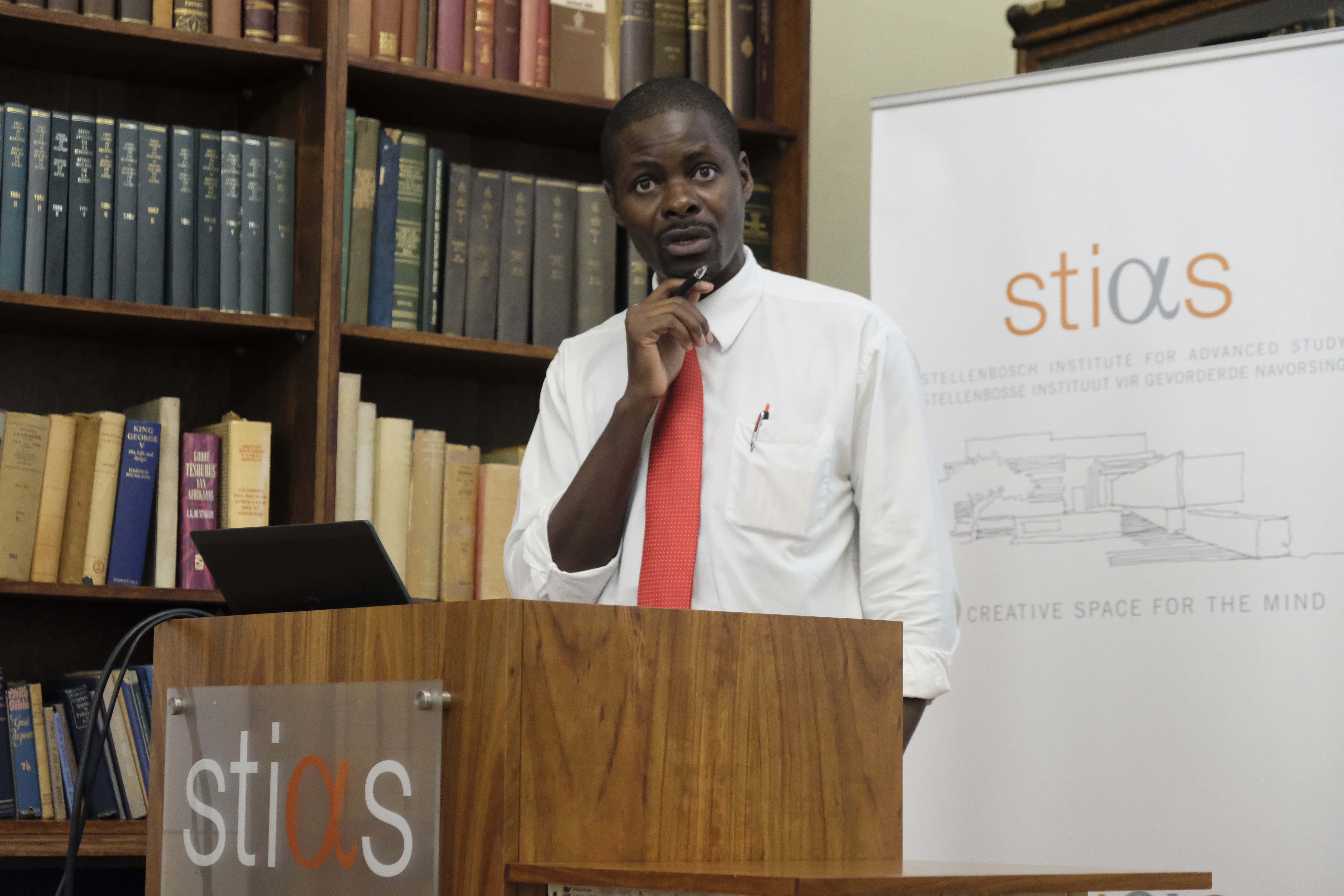
public lecture / seminar
From similar beginnings to different outcomes: a look at coalition politics and institutional transformation in contemporary Africa - Fellows' seminar by Moses Khisa
Why do rulers and regimes that have fairly similar political motivations and social backgrounds, under relatively similar sets of conditions and timings, produce contrasting institutional outcomes?