The International Criminal Court (ICC) intervened in Kenya after the disputed 2007/8 election that led to displacement of more than 650,000 people and death of 1133 lives according to the post-election violence commission report (GOK 2008). Despite charges of crimes against humanity before the ICC, the current president Uhuru Kenyatta and his deputy William Ruto were controversially elected in the March 2013 general election. The Court withdrew the Kenyan case citing lack of cooperation by the Uhuru Kenyatta led government in 2016, and the truth commission’s findings have not been successfully implemented. The victims of 2007 electoral violence continue to experience the legacies of the ICC intervention and sudden departure, state led performances of peace without justice and ongoing social and economic injustice. This project will explore these legacies of the ICC intervention to understand what impact the ICC had on victims conceptions of international justice and victims cultures of survival after the intervention and departure.

The Legacies of the International Criminal Court Intervention in Kenya
2021
Related to this project
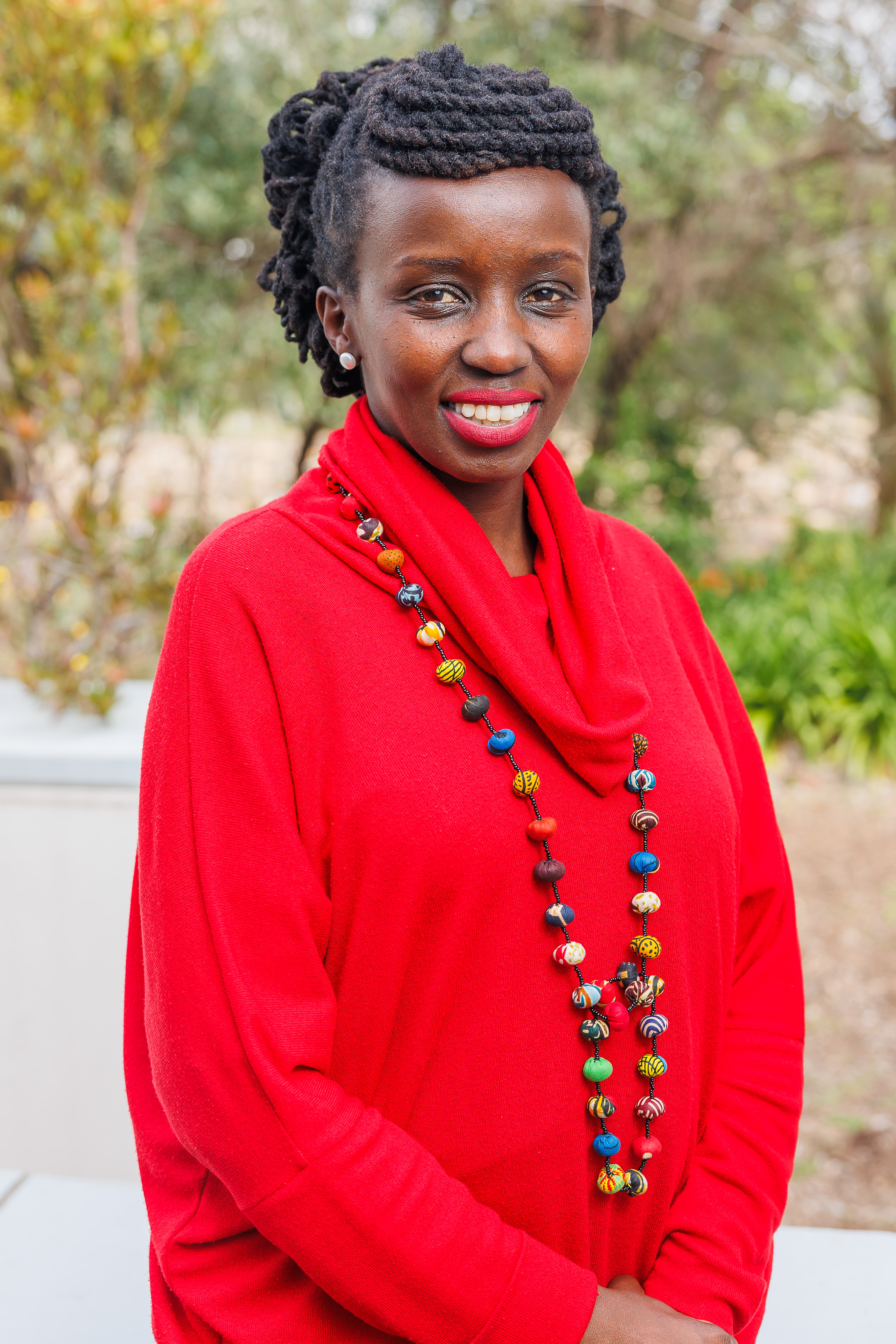
public lecture / seminar
Justice delivered or justice denied? - Fellows' seminar by Njoki Wamai
If international justice interventions and institutions do not understand the local context and take account of the needs of victims, it will remain justice denied.
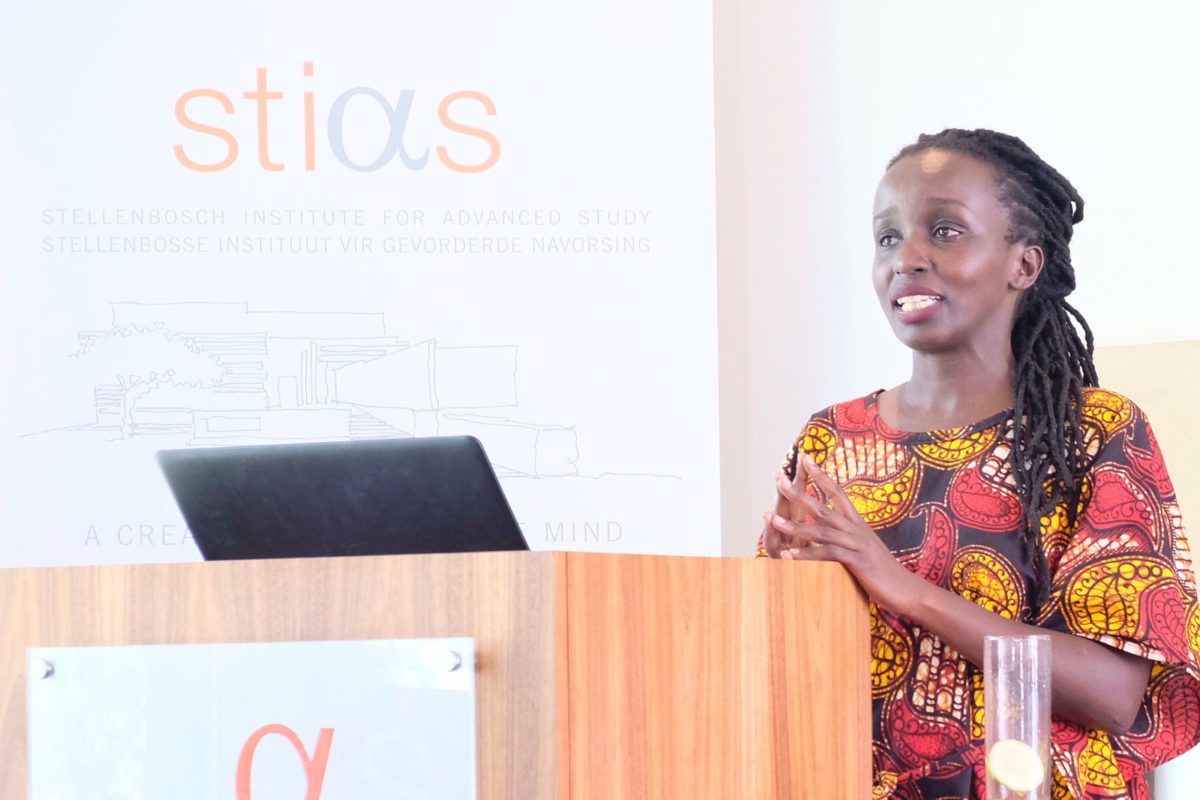
public lecture / seminar
Unpacking the International Criminal Court intervention in Kenya - Fellows' seminar by Njoki Wamai
International criminal law as epitomised by the International Criminal Court (ICC) assumes that retributive justice is the most effective way to end impunity after mass atrocities universally, said Dr Njoki Wamai, Assistant Professor at the International Relations Department, United States International University-Africa based in Nairobi.
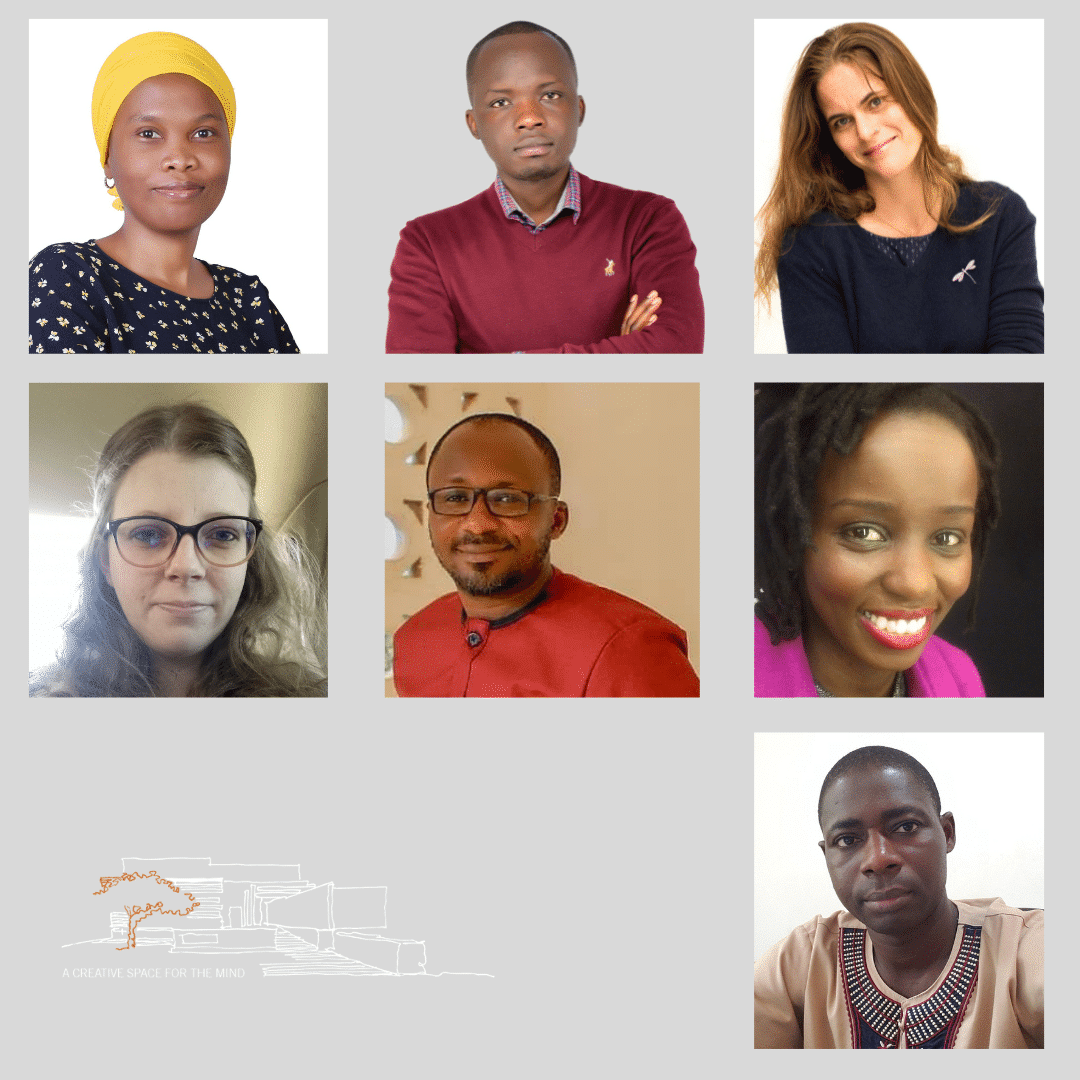
news-article
Fifth Iso Lomso cohort of fellows selected
STIAS is pleased to announce its fifth cohort of Iso Lomso fellows for applications submitted during its last call.