
Plants produce myriad of compounds with various biological properties. The structural configuration of plant metabolites has been directly correlated to its biological activity. Geometrical isomers are naturally occurring molecules with subtle structural differences such as those caused by stereochemistry or chemical bond orientation. Lately, excessive sunlight exposure due to ozone depletion associated with global warming and/or climatic change has been shown to affect the chemistry (metabolite composition) of several plants. Amongst the newly emerging compounds are geometrical isomers of cinnamic acid containing molecules. LC-MS based metabolomic approaches has revealed several geometrical isomers to be associated with UV-light exposure of plant extracts. In the current study, plant extracts will be exposed to UV-light of different intensities. These extracts will be analysed with the aid of LC-MS and multivariate statistical modelling of this data will be carried out to unearth the effect of the UV-light on the chemistry of plant derived metabolites. Furthermore, the same extracts will be evaluated for their biological activities to establish the pharmacological relevance of these newly formed compounds. The current study is expected to showcase the photo-catalytic properties of UV-light as a feasible approach to generate photo-switchable drugs with enhanced pharmacological activities.

Deciphering the biological consequences of geometrical isomerization of natural compounds.
Related to this project

Publication
Ultraviolet (UV) light-induced geometrical isomerization of cinnamic acid containing molecules: A plausible, non-enzymatic approach to modify metabolite composition of plant extracts
Mbedzi, Dakalo Terrence, Lutendo Michael Mathomu, Msizi Innocent Mhlongo and Ntakadzeni Edwin Madala. 2022. Ultraviolet (UV) light-induced geometrical isom...

Publication
Rationalising the retro‐Diels‐Alder fragmentation pattern of viscutins using electrospray interface‐tandem mass spectrometry coupled to theoretical modelling
Moyo, Babra, Yolanda Novokoza, Nikita Tawanda Tavengwa, Nikolai Kuhnert, Kevin Lobb, Ntakadzeni Edwin Madala. 2023. Rationalising the retro‐Diels‐Alder fra...
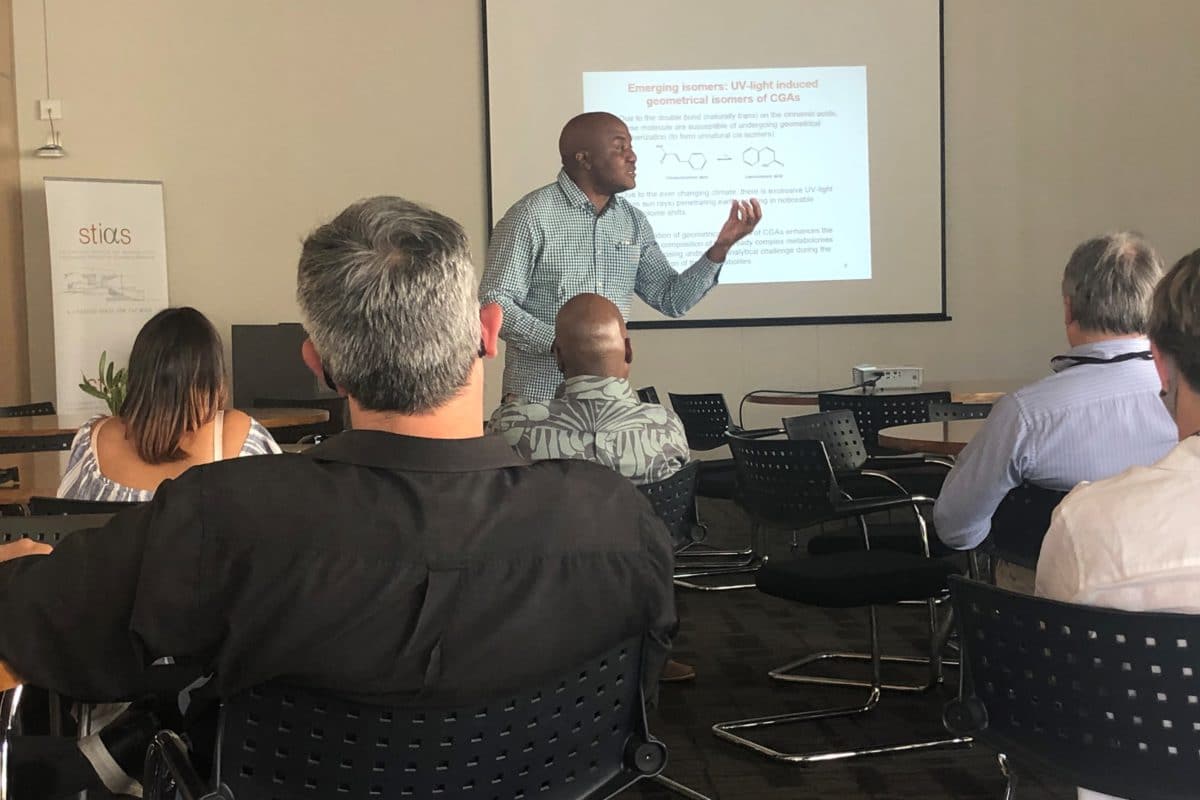
Article
Shining the light on plant metabolites - Fellows' seminar by Ntakadzeni Edwin Madala
Humans have known for centuries about the nutritional and healing properties of plants but how exactly do these work and what effects are current environmental and climate changes having on plants and their interactions with humans?
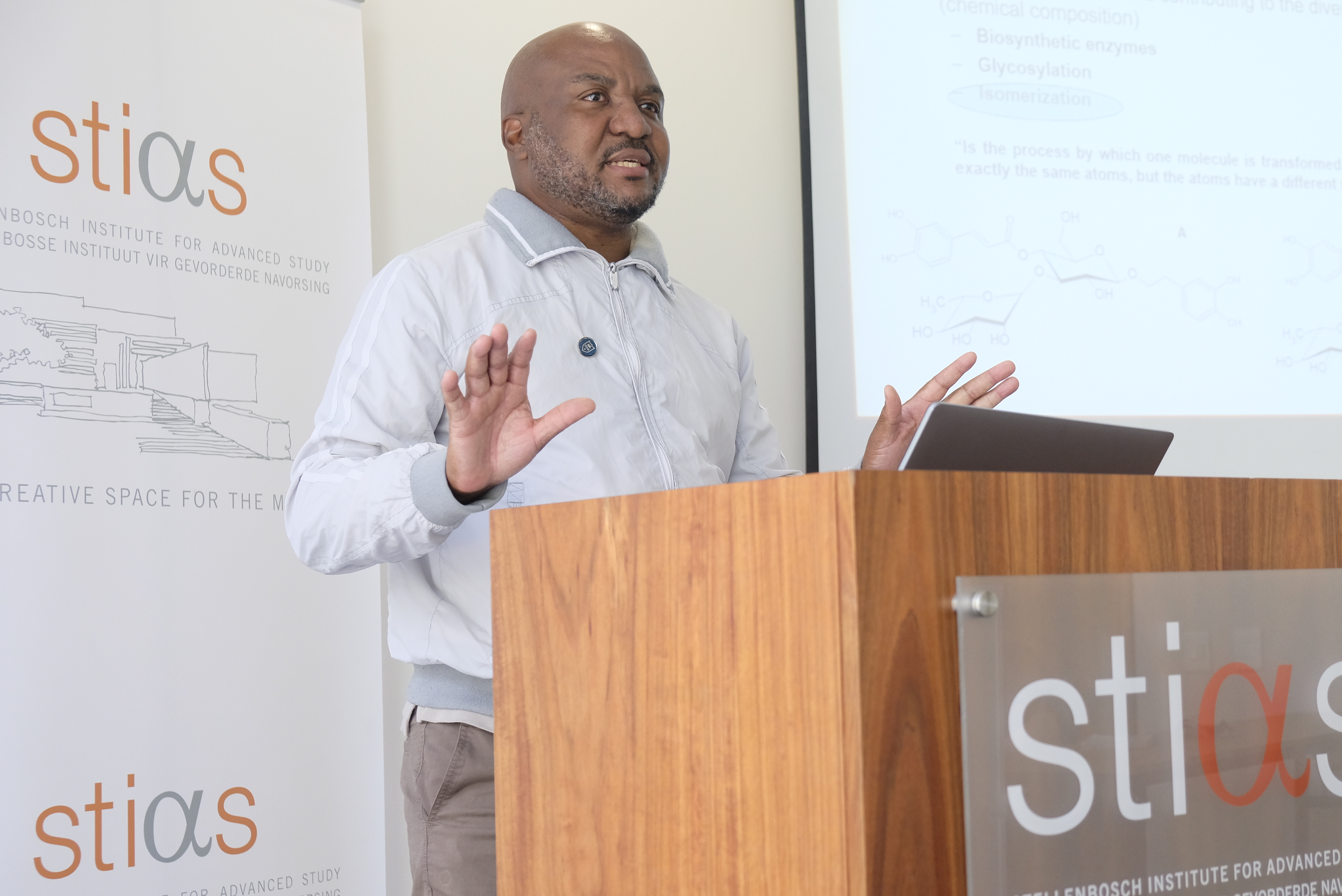
Article
Is change good or bad? Highlighting the chemical defence strategy of plants against photo-induced stress - Fellows' seminar by Edwin Madala
Due to depletion of the atmospheric ozone layer, there is excessive sunlight reaching the earth’s surface.

Article
Listening to what plants can teach us - Fellows' seminar by Edwin Madala
The increasing, almost daily, occurrence of extreme weather events ranging from heat waves and wild fires to floods, cyclones and storms make the effects of climate change ever more obvious and visible.
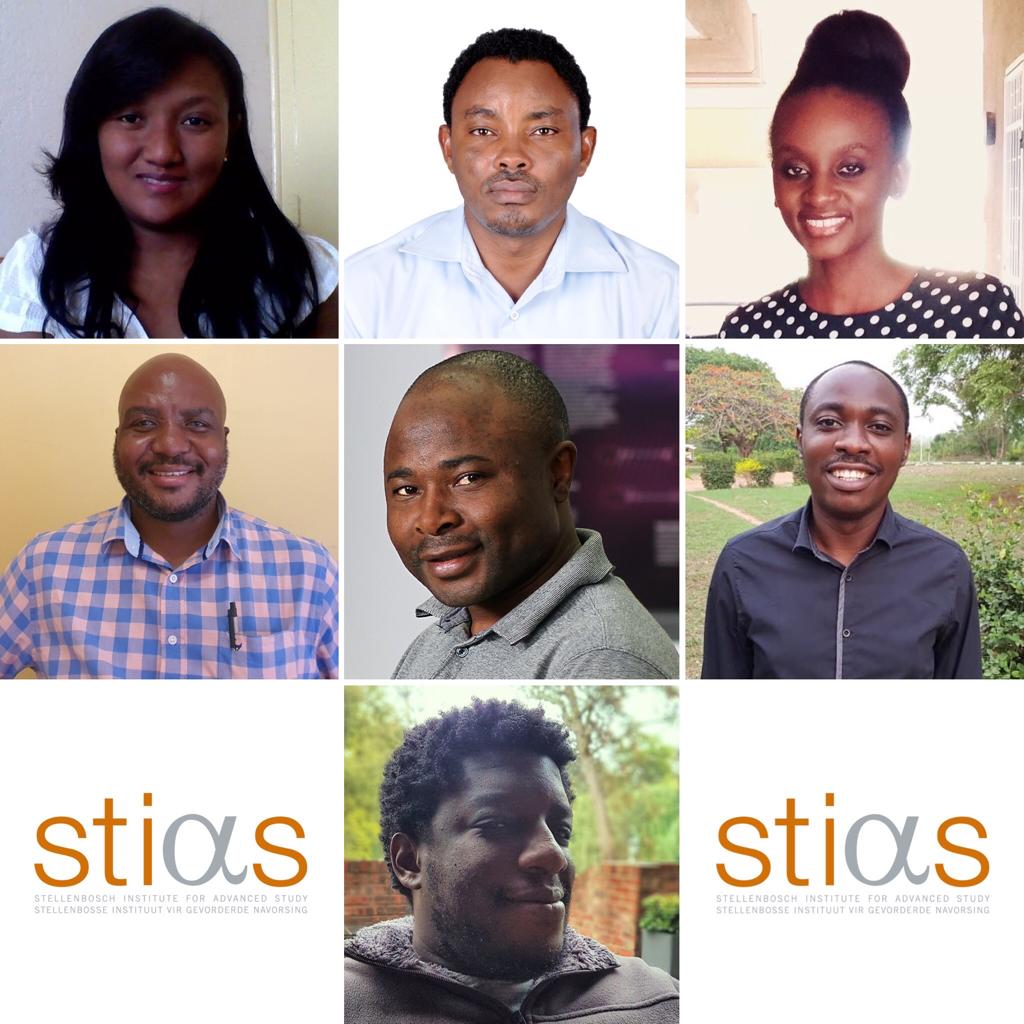
Article
Fourth Iso Lomso cohort of fellows selected
STIAS is pleased to announce its fourth cohort of Iso Lomso fellows for applications submitted during its last call.